The Sirens of the East: Exploring the Lore of Sirens in Asian Mythology and Folklore
I. Introduction
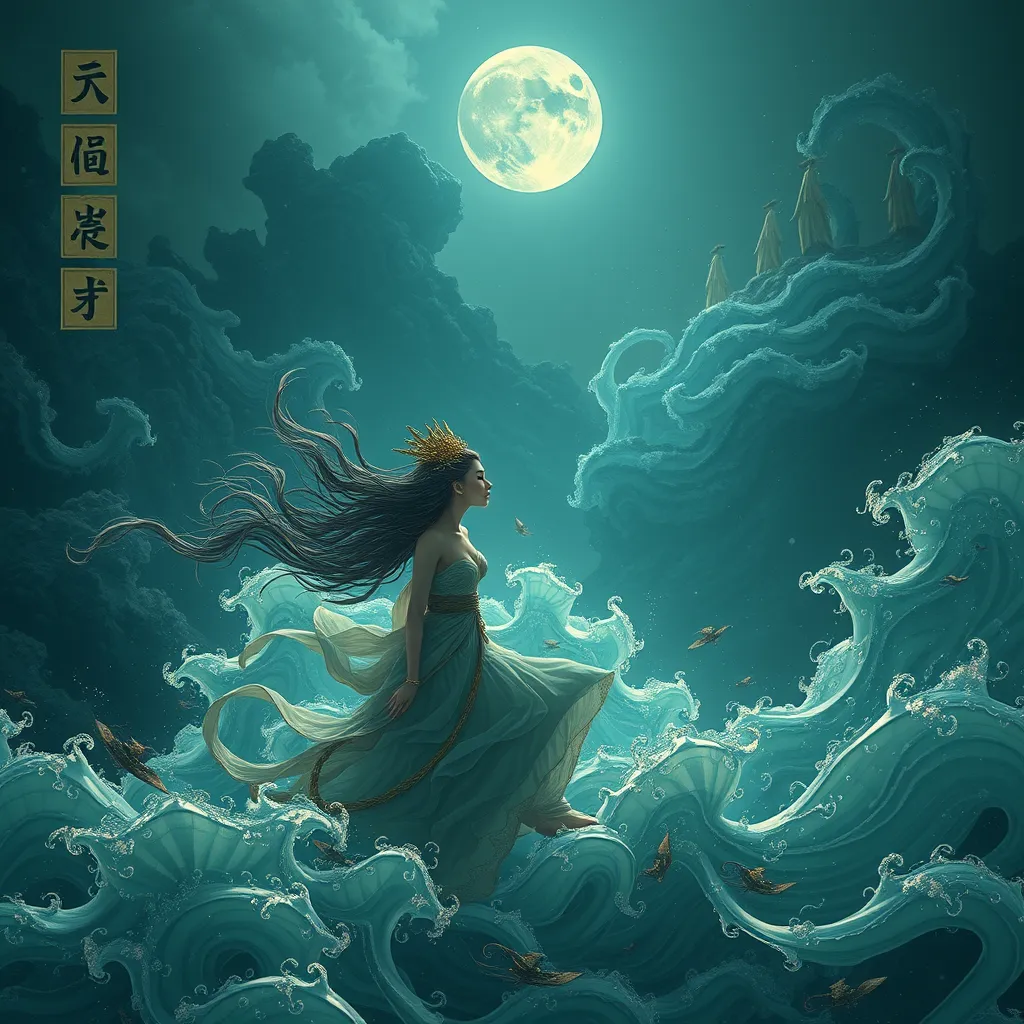
Mythological sirens are often depicted as enchanting beings whose beauty and song lure unsuspecting sailors to their doom. These figures capture the imagination and embody themes of allure, danger, and the unknown. While the concept of sirens is most commonly associated with Western mythology, particularly the Greek myths, various cultures across Asia have their own interpretations and representations of similar water spirits. This article seeks to explore the fascinating lore of sirens in Asian mythology, emphasizing the rich diversity of cultural interpretations and the significance of these myths in their respective societies.
II. Historical Context of Sirens in Asian Mythology
The concept of sirens has origins that can be traced back to ancient civilizations where water bodies held both life-giving and destructive powers. In many cultures, these spirits symbolize the duality of nature—capable of nurturing yet perilous.
- Origin of Siren Concept: Siren-like figures appear in various forms across ancient cultures, often as beautiful maidens associated with water.
- Comparison with Western Sirens: Unlike the Western sirens, often depicted as dangerous half-bird, half-woman creatures, Asian sirens may take on various forms, including deities, spirits, or mermaids.
- Influence of Trade and Cultural Exchange: Trade routes facilitated the exchange of ideas and stories, leading to a blending of mythologies and the evolution of siren tales in Asia.
III. Sirens in Indian Mythology
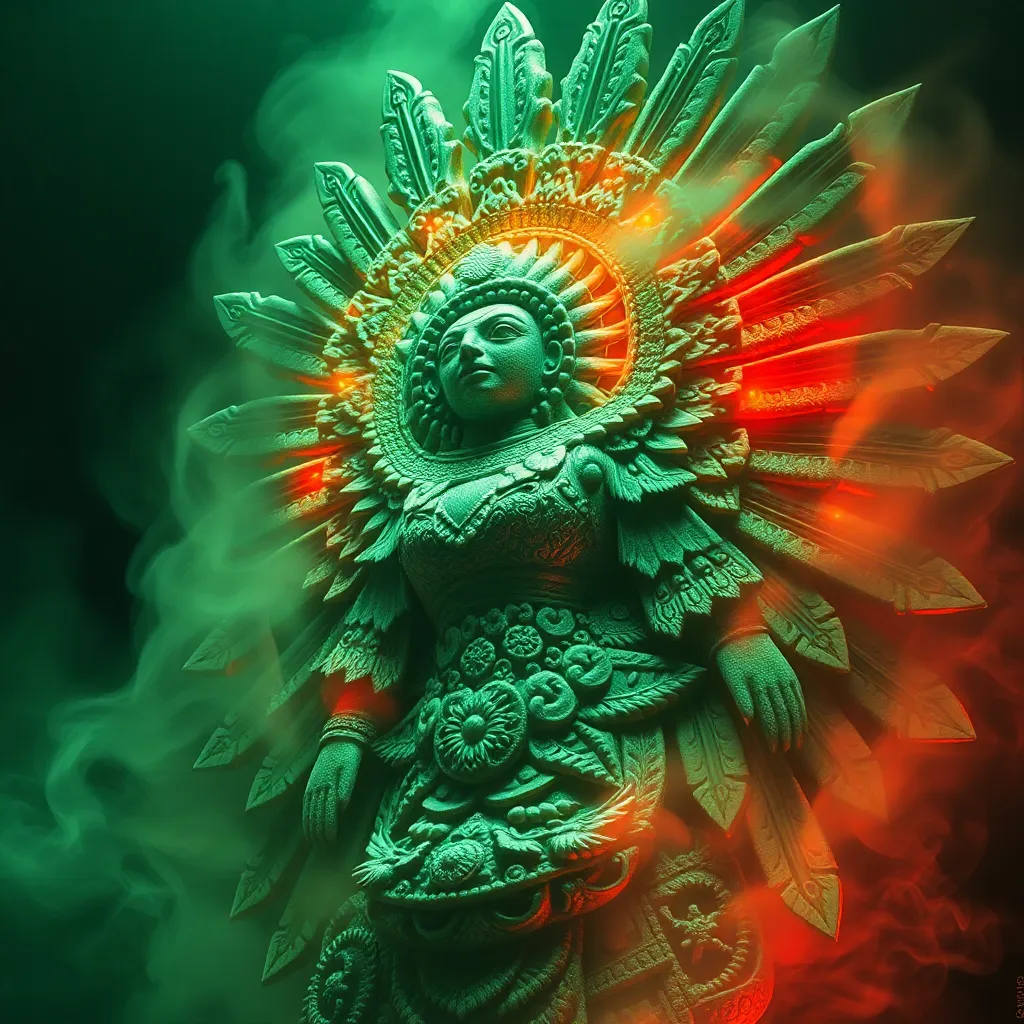
In Indian mythology, the concept of sirens is embodied by the “Apsaras,” celestial nymphs known for their unparalleled beauty and dancing skills. Apsaras are often depicted as ethereal beings who can enchant mortals and gods alike.
- Description of the “Apsaras”: Apsaras are described as beautiful maidens who serve as entertainers in the heavenly realms, often associated with water and sensuality.
- Role in Hindu Epics: In the Mahabharata and Ramayana, Apsaras play significant roles, often tempting heroes or influencing the outcomes of epic battles.
- Symbolism: The Apsaras symbolize beauty, temptation, and the transient nature of life, embodying the duality of desire and danger.
IV. Sirens in Chinese Folklore
Chinese folklore features various water spirits, with “Jingwei” being one of the most notable. Jingwei is often depicted as a bird that tries to fill the sea with stones, symbolizing determination and the struggle against nature.
- Introduction to “Jingwei”: Jingwei is the spirit of a young girl who drowned and transformed into a bird. Her tale warns of the perils of the sea and the consequences of defiance against nature.
- Stories of Seduction: Many legends depict water spirits that can seduce and lead men to their demise, reflecting societal fears and the unpredictable nature of women.
- Cultural Significance: These myths served as cautionary tales, highlighting the cultural respect for water and the dangers that lurk within.
V. Japanese Mythological Sirens
In Japanese mythology, siren-like figures appear in various forms, notably the “Umibōzu” and various Yōkai. These creatures often embody the mysterious and sometimes malevolent aspects of the sea.
- The “Umibōzu”: This giant sea spirit is known to capsize ships and is associated with storms. Its appearance is often a warning to sailors of impending danger.
- The “Yōkai”: Many Yōkai are seductive spirits that lure humans, often leading them to misfortune or death. They embody the allure and danger of the supernatural.
- Contemporary Representations: Modern media, including anime and films, continue to explore these themes, bringing traditional myths to new audiences.
VI. Southeast Asian Sirens and Water Spirits
Southeast Asian cultures also feature a rich tapestry of siren figures, most notably the “Naga,” which is a serpent deity often revered and feared.
- The “Naga”: In many Southeast Asian traditions, the Naga is seen as both a protector of water bodies and a potential threat, embodying the duality of nature.
- Folklore from Indonesia, Malaysia, and the Philippines: Stories of water spirits vary across these regions but commonly feature themes of seduction, danger, and moral lessons, often cautioning against hubris or disrespect for nature.
- Common Themes: Many aquatic spirit tales serve as warnings against temptation, illustrating societal values and the need for humility in the face of nature.
VII. Comparative Analysis of Siren Myths Across Cultures
When examining the diverse representations of sirens across Asian cultures, several common motifs and themes emerge:
- Common Motifs: Beauty, danger, and allure are prevalent themes, with sirens often representing the conflict between desire and caution.
- Divergent Interpretations: While Western sirens may focus more on seduction leading to death, Asian sirens often embody a more complex relationship with nature and humanity.
- Societal Reflection: Siren myths reflect societal values, fears, and the cultural significance of water, providing insight into how different cultures interpret the natural world.
VIII. Conclusion
The exploration of siren myths across Asian cultures reveals a rich tapestry of stories that reflect diverse interpretations of beauty, danger, and the allure of the unknown. From the enchanting Apsaras of India to the perilous Umibōzu of Japan, these myths continue to resonate in contemporary culture, reminding us of the enduring power of storytelling.
As we delve into these ancient tales, it becomes clear that preserving and understanding these myths is crucial for appreciating the complexities of cultural heritage and the universal themes that connect us all. The legacy of sirens, whether they be seductive or perilous, continues to inspire and caution, serving as a reminder of the intricate relationship between humanity and the natural world.