The Strigoi and the Quest for Immortality: Examining the Human Desire to Live Forever
I. Introduction
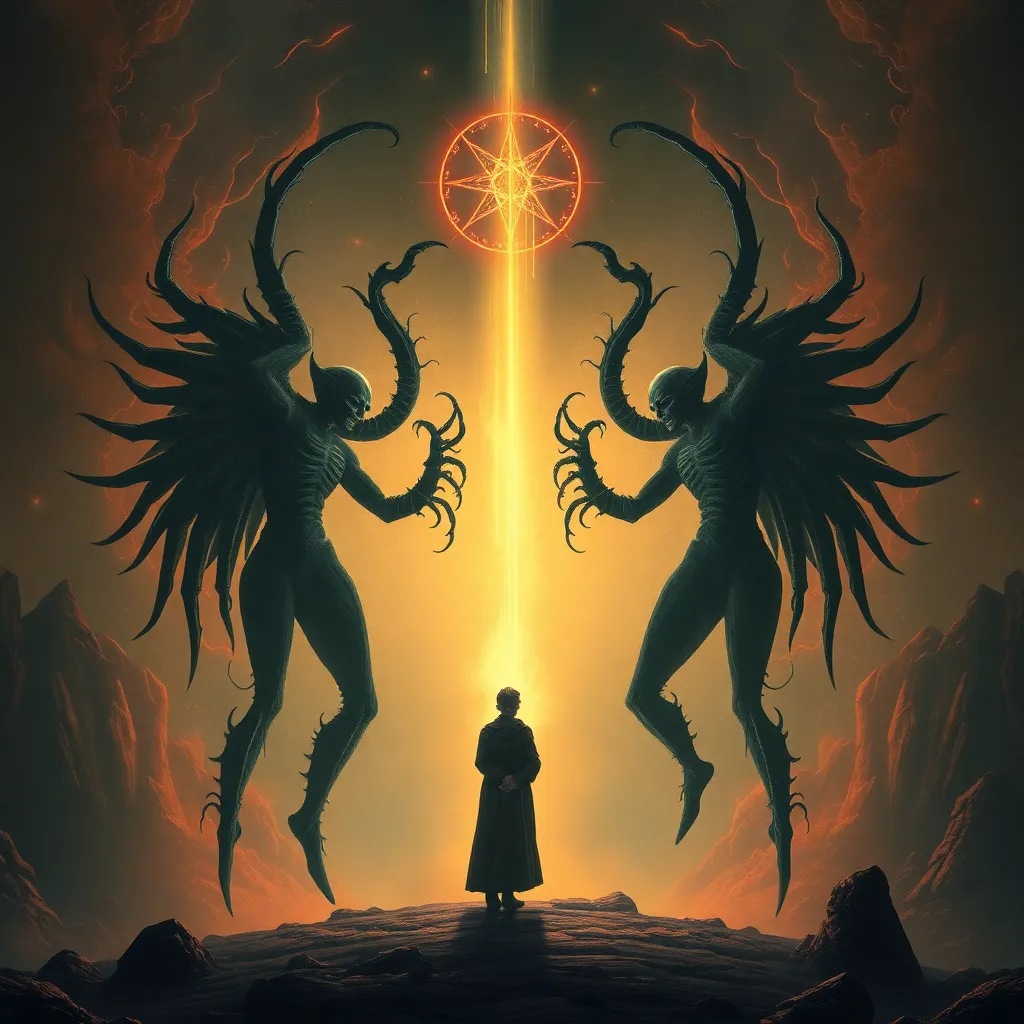
The Strigoi are mythical creatures deeply rooted in Romanian folklore, often depicted as the restless spirits of the dead or undead beings that rise from their graves. Their significance in folklore stems from the human fascination with life after death and the fear of mortality. Throughout history, various cultures have grappled with the concept of immortality, envisioning it in numerous forms, from divine ascension to physical resurrection. This article aims to explore the connection between the Strigoi and the broader human desire for eternal life, delving into mythology, psychology, and the implications of striving for immortality.
II. The Mythology of the Strigoi
The origins of the Strigoi can be traced back to the rich tapestry of Romanian history and cultural beliefs. In the rural regions of Romania, tales of Strigoi were used to explain unexplained phenomena, illnesses, and misfortunes. They are often characterized by their ability to transform into animals, particularly wolves or bats, and their insatiable thirst for blood.
Key characteristics of Strigoi include:
- Reanimation after death
- Ability to drain the life force from the living
- Physical transformation into creatures of the night
When compared to other vampire myths across different cultures, such as the Western vampire or the Indian Vetala, Strigoi share common themes of fear, death, and the supernatural. However, their unique cultural context enriches the understanding of immortality and the human experience.
III. The Psychological Underpinnings of Immortality
The desire for immortality is deeply ingrained in human psychology. Several reasons underpin this yearning:
- Fear of death and the unknown: The inevitability of death is a source of anxiety for many people. This fear drives the quest for understanding and, ultimately, defying mortality.
- Legacy and the desire to be remembered: Humans have a fundamental need to leave a mark on the world, leading to the pursuit of accomplishments that ensure their memory endures beyond their physical life.
Psychological theories have explored these desires in depth, suggesting that the pursuit of eternal life might stem from a combination of existential dread and the innate human desire for significance.
IV. Strigoi as a Symbol of Immortality
The Strigoi serve as powerful symbols of the human quest for life beyond death. They embody the dual nature of immortality—both feared and fascinating. On one hand, Strigoi invoke terror with their association with death; on the other, they represent the allure of eternal life and the mysteries that lie beyond.
In literature and popular culture, Strigoi and similar creatures have been depicted as complex characters that challenge the perception of immortality. Works such as Bram Stoker’s “Dracula” and contemporary vampire series have explored themes of love, loss, and the cost of living forever, making Strigoi a compelling representation of the eternal struggle between life and death.
V. Historical Pursuits of Immortality
Throughout history, civilizations have sought various methods to achieve eternal life. Ancient Egyptians, for instance, believed in the afterlife and practiced mummification to preserve the body for the journey beyond. In other cultures, the quest for immortality took on different forms:
- Alchemy: Alchemists sought to create the Philosopher’s Stone, which was believed to grant immortality and transform base metals into gold.
- Elixirs: Many cultures created potions or elixirs that were thought to prolong life or restore youth.
In modern times, scientific endeavors have emerged, focusing on biotechnology and life extension. Research into genetics and cellular regeneration has opened new avenues for potentially extending human life.
VI. Ethical Implications of Seeking Immortality
The desire for eternal life raises profound ethical questions. Philosophically, one must consider:
- Philosophical questions: Is it morally right to pursue immortality? What implications does this have for the human experience?
- Societal impacts: Overpopulation may become a pressing issue if immortality becomes achievable. How would resources be distributed among an ever-growing population?
- Moral consequences: Defying natural mortality could lead to unforeseen consequences for society and the environment.
VII. The Future of Immortality: Science and Technology
With rapid advancements in various fields, the pursuit of immortality is becoming increasingly plausible:
- Genetics: CRISPR and gene editing technologies hold the promise of eradicating age-related diseases and extending lifespan.
- Nano-technology: Nanobots could potentially repair cellular damage and promote longevity.
- Cryonics: Preservation of bodies at low temperatures raises the possibility of revival in the future.
Additionally, the concept of digital immortality is gaining traction, with ideas surrounding consciousness transfer and virtual existence becoming more mainstream. Public perception of these technologies varies, with some embracing the possibilities while others express skepticism.
VIII. Conclusion
The Strigoi, as manifestations of the human quest for immortality, encapsulate the complex relationship between life, death, and the desire to transcend mortality. As we reflect on the implications of pursuing eternal life, we must consider not only the allure of living forever but also the acceptance of our finite existence.
Ultimately, the balance between embracing mortality and the temptation of immortality remains a central theme in human experience, inviting us to explore what it truly means to live and leave a legacy.