Unlocking the Mysteries of Enchanted Forests: Are Fairies Real?
1. Introduction: The Allure of Enchanted Forests
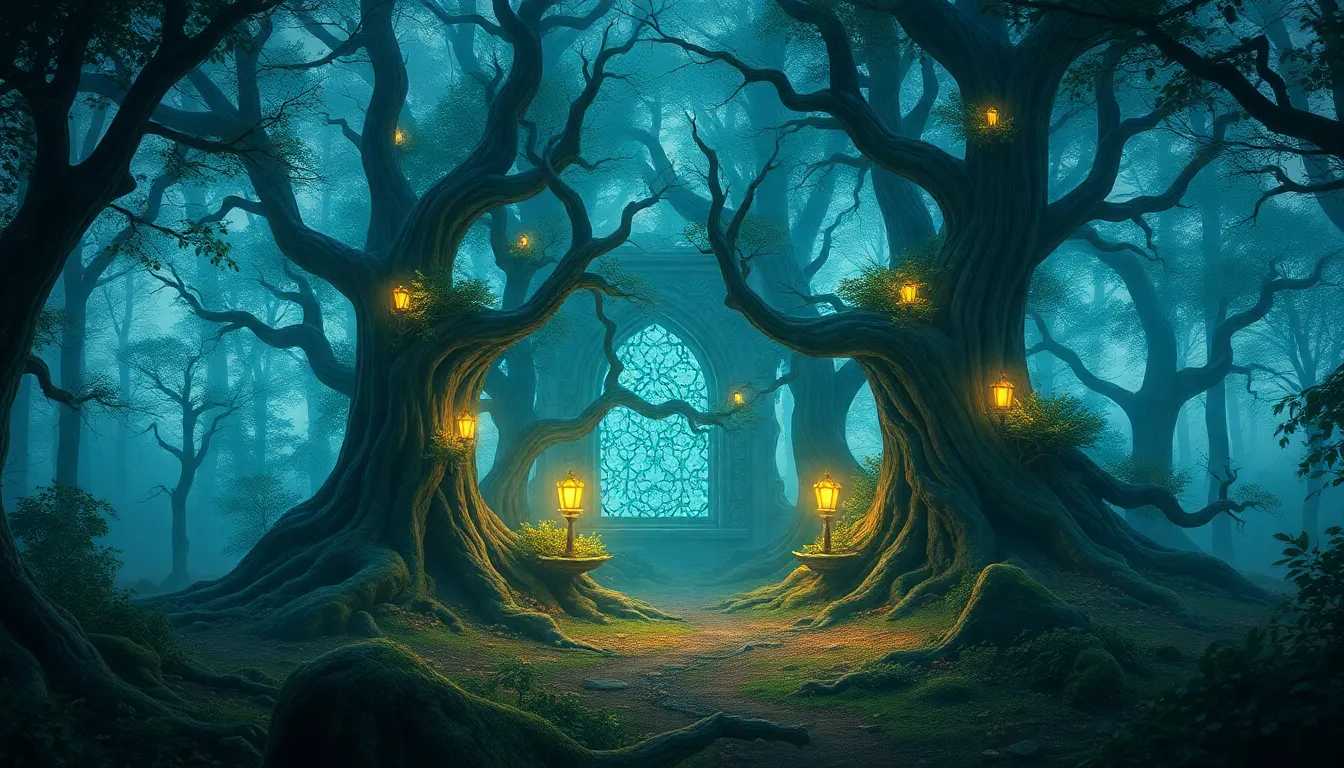
Enchanted forests are often depicted as magical places filled with wonder and intrigue, where the ordinary world fades away, and the extraordinary takes its place. These forests are characterized by their lush greenery, mystical atmosphere, and the presence of mythical beings such as fairies. Throughout history, enchanted forests have held significant cultural importance in folklore and mythology, serving as backdrops for tales that explore human nature, morality, and the supernatural.
Fairy lore is a rich tapestry woven into the fabric of many cultures worldwide. From the mischievous pixies of English folklore to the benevolent spirits of Celtic traditions, fairies symbolize various aspects of life, nature, and the human experience. This article delves into the enchanting world of these mystical realms and seeks to uncover the truth behind the fairy phenomenon.
2. The Origins of Fairy Lore
The origins of fairy tales and legends can be traced back to ancient times, where oral traditions passed down stories of magical beings. Early documents and literature, such as the works of Geoffrey Chaucer in the 14th century and the fairy tales collected by the Brothers Grimm in the 19th century, showcase the enduring appeal of these enchanting figures.
As society evolved, so too did the archetypes of fairies. Initially depicted as malevolent beings, they gradually transformed into more benevolent figures in popular culture. This evolution reflects humanity’s changing relationship with nature and the mysteries surrounding it.
3. Enchanted Forests Around the World
Enchanted forests can be found across the globe, each with its unique characteristics and cultural significance. Some notable examples include:
- The Black Forest, Germany: Known for its dense trees and fairy tales, this forest is steeped in myth and legend.
- Forests of Brocéliande, France: Associated with Arthurian legends, these woods are said to be home to the enchantress Morgana.
- The Fairy Pools, Scotland: Located on the Isle of Skye, these stunning natural pools are often linked to fairy lore.
Regional variations in fairy beliefs often reflect the geography and culture of the area. For instance, Scandinavian folklore features trolls and nature spirits, whereas Slavic traditions include domovoi and leshy, spirits that protect the household and forests, respectively.
4. The Science Behind the Mystery
From a psychological and sociological perspective, the belief in mythical creatures like fairies can be analyzed through the lens of human imagination and cultural storytelling. The natural world, with its mysterious sounds and sights, often inspires folklore. For instance, phenomena such as fireflies, will-o’-the-wisps, and even mist can create an atmosphere conducive to fairy sightings.
Additionally, the human brain’s tendency to seek patterns and assign meaning can lead individuals to interpret certain natural occurrences as supernatural events. This interplay between reality and perception is crucial in understanding the fascination with enchanted forests and their inhabitants.
5. Cultural Interpretations of Fairies
Fairies have been depicted in literature and art for centuries, evolving from ancient myths to modern representations. Notable works include:
- Shakespeare’s “A Midsummer Night’s Dream”: This play presents fairies as playful and mischievous entities that influence human lives.
- The works of J.M. Barrie: In “Peter Pan,” fairies like Tinkerbell embody themes of innocence and wonder.
- Contemporary media: Movies and books often reimagine fairies, blending traditional lore with modern storytelling.
In children’s stories, fairies often serve as moral guides, teaching lessons about kindness, bravery, and the importance of believing in magic. These interpretations play a significant role in shaping childhood experiences and imaginations.
6. The Intersection of Nature and Myth
Enchanted forests foster a sense of wonder and imagination, inviting individuals to explore the unknown. The relationship between environmental conservation and fairy lore highlights the need to protect these magical places. Many fairy tales emphasize harmony with nature, inspiring individuals to appreciate and preserve the environment.
Nature’s impact on mythology reinforces belief systems, as forests often serve as the setting for transformative experiences. The allure of enchanted forests encourages exploration and a deeper connection to the natural world.
7. Personal Encounters and Modern Fairy Sightings
In recent years, numerous anecdotes and testimonials have emerged from individuals claiming encounters with fairies. These stories range from fleeting glimpses of ethereal beings to more profound experiences that challenge the boundaries of reality. Some common themes in these accounts include:
- Feeling a sense of peace and tranquility in nature.
- Witnessing unexplained lights or movements in the forest.
- Experiencing vivid dreams or visions involving fairy-like beings.
Analysts often debate whether these experiences are psychological phenomena—products of imagination—or if they signify something more profound. The rise of social media and technology has also influenced modern fairy sightings, enabling individuals to share their experiences and connect with like-minded enthusiasts.
8. Skepticism and Belief: The Debate of Reality
The existence of fairies often draws skepticism, with critics arguing that belief in such beings stems from cultural conditioning or psychological need. The role of belief in shaping experiences is significant; what one perceives can be influenced by personal convictions and societal narratives.
Throughout history, several famous hoaxes and debunked claims have surfaced, challenging the credibility of fairy sightings. The Cottingley Fairies of the early 20th century, for instance, were later revealed to be a staged photography project, yet they captivated the public’s imagination and sparked debates about reality and belief.
9. The Continued Fascination with Enchanted Forests and Fairies
Despite skepticism, enchanted forests continue to captivate our imaginations. The resurgence of interest in mythological beings is evident in literature, film, and art, reflecting a collective yearning for escapism and wonder amidst a rapidly changing world.
Enchanted forests play a vital role in wellness and mental health, offering people an opportunity to disconnect from the modern world and reconnect with nature. The allure of these mystical realms encourages exploration, creativity, and a deeper appreciation for the beauty surrounding us.
10. Conclusion: Embracing the Mysteries of Enchanted Forests
In summary, the exploration of enchanted forests and the question of whether fairies are real reveal much about human culture, imagination, and our relationship with the natural world. Myths and stories continue to shape our understanding of ourselves and our environment, serving as reminders of the magic that exists around us.
As we navigate our lives, let us embrace the mysteries of enchanted forests, allowing our imaginations to flourish and inviting a sense of wonder into our everyday experiences. Whether or not fairies are real, the stories we tell and the beauty of nature are undeniably magical.